
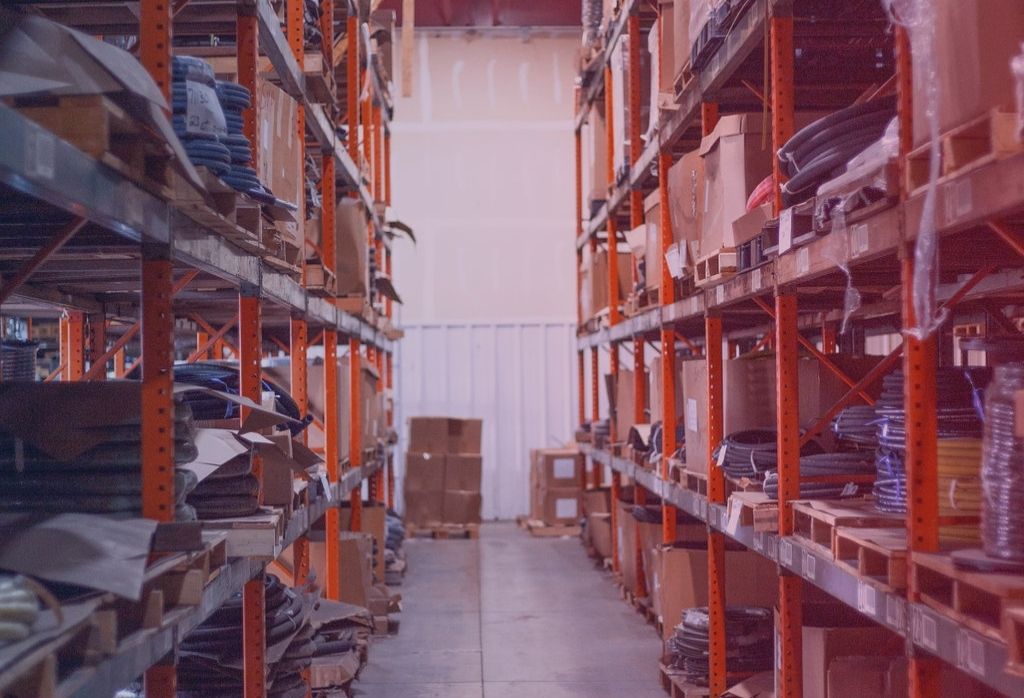
Proper hose storage and handling are often overlooked, yet they play a critical role in maintaining safety, performance, and service life. Whether used in hydraulic systems, industrial applications, agriculture, or construction equipment, hoses that are stored incorrectly or handled carelessly can deteriorate prematurely — leading to leaks, failures, and costly downtime.
Understanding a few best practices can help protect your investment and ensure hoses are ready to perform when needed.
Why Proper Hose Storage Matters
Hoses are engineered to perform under pressure, but environmental exposure and physical stress can weaken materials over time. Improper storage can lead to:
-
Cracking or dry rot from UV exposure
-
Cover degradation from extreme temperatures
-
Internal damage from moisture contamination
-
Premature wear from kinks or improper coiling
Correct storage helps preserve flexibility, strength, and reliability.
Best Practices for Hose Storage
Store indoors when possible
Keep hoses in a clean, dry environment away from direct sunlight, ozone sources, and extreme heat or cold.
Avoid tight bends and kinks
Coil hoses loosely using their natural bend radius. Sharp bends can weaken reinforcement layers and cause premature failure.
Keep ends sealed and protected
Cap or plug hose ends to prevent dust, moisture, and debris from contaminating the inner tube.
Elevate off the floor
Store hoses on racks or shelves to avoid contact with moisture, chemicals, or sharp surfaces.
Proper Hose Handling in the Field
Even the best hose can fail early if mishandled during installation or use.
Carry — don’t drag
Dragging hoses across abrasive surfaces can damage the cover and reinforcement.
Use proper routing and support
Avoid twisting, stretching, or rubbing against sharp edges. Use clamps and protective sleeves where needed.
Inspect before installation
Check for cracks, blisters, soft spots, or damaged fittings before putting a hose into service.
Match the hose to the application
Using the correct pressure rating, material compatibility, and temperature range ensures safe and reliable operation.
Small Steps, Big Impact
Proper hose storage and handling reduce downtime, improve safety, and extend service life — saving time and replacement costs over the long run. Preventive care ensures your hydraulic and industrial hoses perform as designed when operations depend on them most.
If you’re unsure about storage practices, hose selection, or protective solutions, working with a knowledgeable partner like us can help you protect your equipment and maintain peak performance!